Plano water-damage help
A calm plan for water damage restoration in Plano.
Tell us where the water started, which rooms it reached, and what materials are wet. We’ll help organize the next practical steps around safety, assessment, drying, and repair planning.
Call (945) 326-2421Start with the source, timing, and affected rooms.Business email:
webmaster@waterdamagerestoration-planotx.com

Contact Plano Water Damage Restoration Pros
Our business email for service questions and property information:
webmaster@waterdamagerestoration-planotx.comThe first ten minutes
Do what is safe. Leave the guesswork behind.
You do not need to diagnose the entire problem yourself. A few calm observations can make the first conversation more useful.
Protect people firstKeep away from standing water near outlets, cords, or electrical equipment.
Stop the source if it is safeUse a reachable shutoff only when doing so does not put you at risk.
Note where the water traveledList affected rooms, flooring, walls, cabinets, and belongings.
Document visible conditionsPhotos and a simple timeline can help you remember what changed.
Your first call
Four details help shape the response.
If you do not know an answer, that is okay. Share what you can see and what changed.
Where did the water appear, and is the source known?
When was it noticed, and may it have been present earlier?
Which rooms or levels of the property are affected?
Did water reach flooring, drywall, cabinets, or contents?
Common situations
Different sources create different questions.
The right plan depends on where the water came from, how far it moved, and what it reached.
Supply lines and appliances
Water may spread under nearby flooring or cabinetry beyond the visible puddle.
Water heaters and overflows
Timing, volume, and the materials below the source help guide assessment.
Roof and storm intrusion
Ceilings, insulation, walls, and belongings may all need to be considered.
Hidden or recurring moisture
Staining, odors, or damp trim can point to a problem that deserves a closer look.
A room-by-room response
Where water appears can reveal what needs attention.
Homeowners usually experience water damage as a problem in a specific room. Thinking room by room makes it easier to describe the source, nearby materials, and the spaces water could have reached next.
Appliances, sinks, and cabinets
Dishwasher connections, refrigerator lines, sink plumbing, and disposal areas can affect cabinet bases, toe kicks, flooring seams, and nearby walls.
Supply lines and drain problems
Washing-machine connections and drainage can release water across finished flooring or toward adjacent rooms. Note whether the machine was operating when the problem appeared.
Fixtures, overflows, and the room below
Tubs, showers, sinks, and toilets may involve flooring, baseboards, vanities, and—on an upper level—the ceiling or walls beneath the bathroom.
Floors, furniture, and contents
When water reaches a bedroom, office, or living room, consider carpet or finished flooring, wall edges, furniture, electronics, and irreplaceable belongings.
Roof openings and overhead plumbing
Staining or dripping overhead can involve insulation, ceiling material, framing, light fixtures, and the contents below. Avoid any area that appears electrically unsafe.
Water heaters and stored property
A utility leak may affect wall bases, adjoining interior rooms, boxes, tools, and anything stored directly on the floor.
Before covering or repairing
Four decisions deserve a clear answer first.
Dry-looking surfaces can encourage fast repairs, but the better sequence is to understand the affected area before closing it back up.
Use the Plano response guideIs the source fully controlled?A temporary pause is not always the same as a completed plumbing or roof repair.
Where could the water have traveled?Doorways, flooring edges, wall cavities, cabinets, and the level below can extend the visible area.
Which materials are holding moisture?Carpet, padding, wood products, drywall, insulation, and contents do not respond identically.
What must be dry before restoration?Repair choices are easier to evaluate after moisture conditions and material damage are understood.
A useful homeowner record
Document what changed without entering an unsafe area.
A short timeline and clear photographs can help you explain the event to a restoration contact or insurer. Documentation does not guarantee coverage, but it can preserve details that are easy to forget during a stressful incident.
Water-damage services
One call can organize the entire restoration conversation.
Describe what happened and which materials became wet. The response may involve several connected services—not merely removing the puddle you can see.
Water removal
Accessible standing water is removed so the affected area can be evaluated and the next drying decisions can begin.
Moisture assessment
Floors, walls, cabinets, ceilings, and nearby rooms are considered so the plan follows the water path.
Structural drying
Air movement, dehumidification, access, and moisture checks are matched to the materials and conditions.
Cleanup planning
The source and affected materials help determine appropriate cleaning, handling, and work-area precautions.
Contents and materials
Belongings, flooring layers, trim, drywall, and built-ins may require different protection or removal decisions.
Repair coordination
Once conditions are understood, the drying and cleanup scope can support a clearer path toward repairs.
Why choose this call-first approach?
A better company should explain the plan.
- Property-specific questions instead of a canned package
- Attention to connected rooms and material layers
- Clear separation of removal, drying, cleanup, and repairs
- A direct phone conversation with no website form
Serving Plano, Texas
Help for water-damaged properties across the city.
Call with the Plano property location, likely source, timing, affected rooms, and any safety concern. Service availability and the appropriate scope must be confirmed for the actual property.
Homes, townhomes, apartments, offices, retail spaces, and managed properties can all present different access and material questions.
Water is moving? The first useful step is a direct call.
If it is safe, stop or isolate the source, avoid electrical hazards, and explain what you see.
Insurance documentation
Protect the facts before the details become harder to remember.
Photograph conditions from safe locations, note the time and likely source, list affected rooms and belongings, and contact the insurer for policy-specific instructions. Coverage depends on the policy and circumstances; it should never be promised by a restoration website.
Plano homeowner FAQs
Answers to the questions that come before repairs.
Can a stopped leak still leave moisture behind?
Yes. Flooring, drywall, trim, cabinets, insulation, or belongings may remain damp after the visible flow stops. The path of the water matters.
Can water spread beneath laminate or wood flooring?
Water can move through seams and around edges depending on the installation and incident. Changes at transitions, baseboards, or floor edges are useful details to mention.
What should I do after a water-heater leak?
Keep clear of electrical hazards, stop the source if it is safe, and note whether nearby walls, flooring, stored belongings, or adjoining rooms became wet.
Should I begin replacing drywall immediately?
Repair decisions are better made after the source, affected area, moisture conditions, and material condition are understood. Covering an area too soon can hide useful information.
What should I tell the person answering my call?
Share the likely source, when the problem was discovered, which rooms or levels are involved, and the flooring, walls, cabinets, ceilings, or contents that became wet.
How long can the drying process take?
The answer depends on the materials, moisture levels, airflow, access, and size of the affected area. A responsible estimate requires information about the actual property.
Can built-in cabinets trap moisture?
Water may reach toe kicks, seams, backing, nearby drywall, and the floor beneath a cabinet. Swelling and staining can help identify concerns but may not show the full area.
Will insurance cover the incident?
Coverage depends on the policy and circumstances. Keep a record of what happened and contact the insurer for policy-specific guidance; no restoration website should promise an outcome.
Tell us what changed in your home.
Start with the source, the affected rooms, and what feels most urgent.
Protect the property from the full water path
Protect flooring, walls, cabinets, and contents from damage that keeps spreading.
Water can move under flooring, wick into drywall, soak insulation, reach cabinets, and cross into adjoining rooms. Fast extraction matters, but controlled drying and moisture checks are what help prevent avoidable demolition, lingering odors, and mold growth.
Repair coordination
Move from mitigation into documented repair planning once affected areas have reached appropriate drying goals.
Contents and material decisions
Identify what can reasonably be dried or cleaned and what may need removal before damage spreads or odors settle in.
Cleaning and sanitation
Clean affected surfaces and address debris or residue based on the water source and the materials involved.
Structural drying
Use air movement, dehumidification, targeted access, and moisture monitoring to dry affected materials—not just the room air.
Hidden-moisture inspection
Check beneath flooring, behind baseboards, inside wall cavities, around cabinets, and in connected rooms for moisture that is easy to miss.
Emergency water removal
Extract standing water from accessible areas so it cannot keep soaking flooring, trim, drywall, and contents.
What is at stake
The water you cannot see can keep damaging the property.
The priority is to stop ongoing damage, remove standing water, locate moisture in connected materials, and dry the structure before avoidable swelling, staining, odor, or microbial growth gets worse.
Stop continued damage
Locate the source, remove accessible water, and protect belongings or materials that are still at risk.
Find the hidden moisture
Inspect the water path in flooring systems, walls, cabinets, ceilings, and adjoining rooms—not only the visible puddle.
Prove the area is ready
Use moisture monitoring to guide drying and material decisions before cleanup turns into repair work.
Insurance claim support
We work with property insurance claims by helping document the loss with photographs, condition or moisture information, and restoration scope details, and we can coordinate with your insurance adjuster when requested. Coverage, deductibles, and payment decisions remain subject to your policy and carrier.
Serving Plano, TX
Property owners throughout Plano, TX can call for help with assessment, cleanup, documentation, and a practical restoration plan based on the damage found at the property.
Plan the full water-damage response
The goal is a dry, usable, repair-ready space
Water removal is only one phase. Moisture checks, drying decisions, cleanup, and repair planning work best when they follow the actual route the water took through the property.
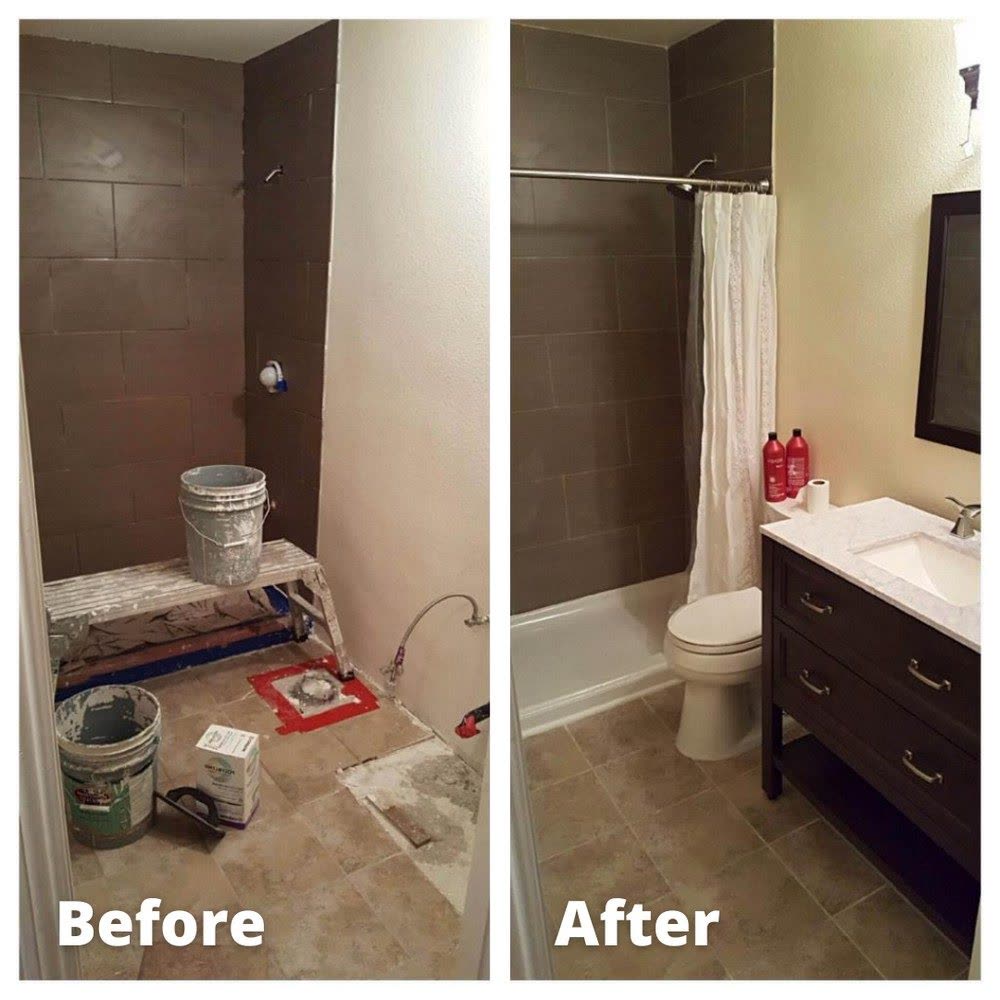
Find a guide for the water loss at your property
Explore water sources, wet materials, affected spaces, and restoration decisions for Plano. Local area guides include property resources and useful questions for the responding provider.